Hardwood Floor Refinishing and Installation in Severn, MD

Sanding, repair, water damage and new wood floors for Severn houses, townhouses and rentals, with a written, itemized estimate first.

Severn Wood Flooring has spent 20+ years refinishing, repairing and installing hardwood floors in Severn, MD, from full sand-and-finish jobs and screen and recoat visits to new solid and engineered floors, stair refinishing, water damage repair, and parquet and herringbone work. We work in single-family houses, townhouses and rentals across northwestern Anne Arundel County, and every job starts with a written, itemized estimate.

Most floors we see here are younger than people expect. The typical job is builder-grade red oak strip flooring or prefinished plank with worn traffic lanes, pet urine stains or boards that have started to cup over a damp slab, not a century-old floor. We read the wood, the subfloor and the moisture before we quote, because the right answer for a tired floor is sometimes a screen and recoat and sometimes a full sanding to bare wood.

Owners, landlords and condo associations call us for different reasons, and the paperwork matters as much as the finish. A landlord needs an invoice that separates wear from damage, an insurer needs moisture readings room by room, and a household with children needs to know when it can walk on the floor again. We plan every job around those needs before the first machine comes off the truck.

Get Your Free Quote

Fast response • No obligation

So we can reach you about your request.

So we can send you a confirmation after you submit this inquiry form.

  • 20+ Years Experience
  • Written Itemized Estimates
  • Dust-Contained Sanding

What we do

Our Services

Hardwood floor refinishing, repair and installation in Severn, MD

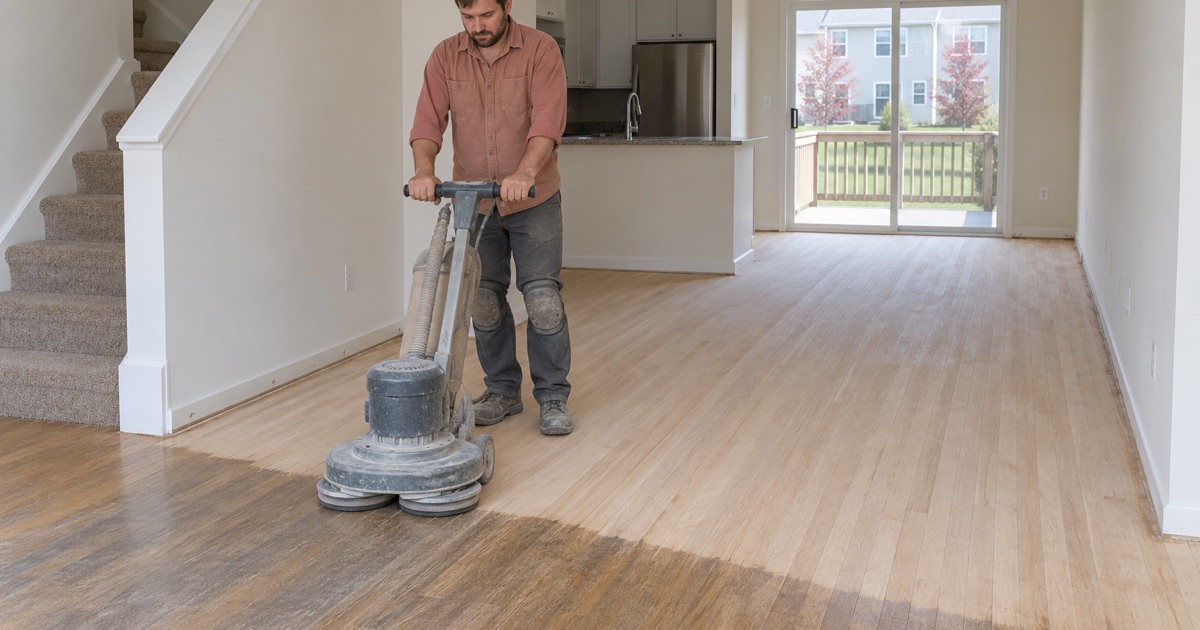
Worker guiding a drum sander along red oak strip flooring in the family room of a Severn house.

Wood Floor Refinishing

Full sanding or screen and recoat for worn, stained or orange oak floors in Severn, MD, with stain samples and dust containment.

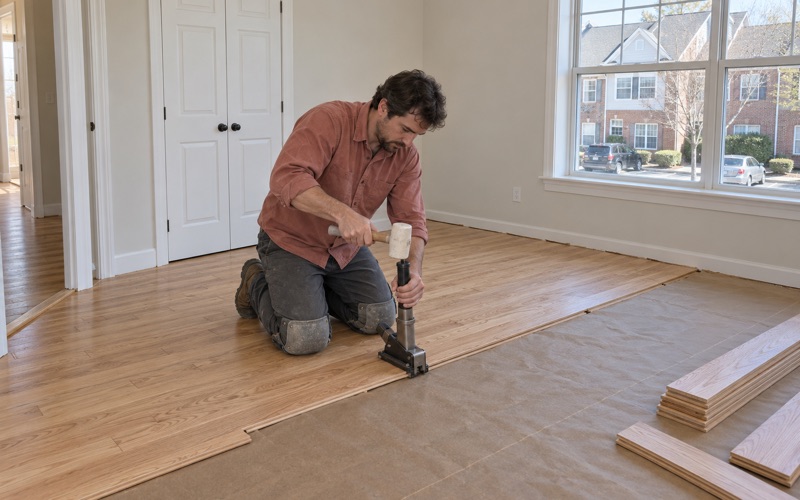
Worker striking a flooring nailer seated on the tongue of new oak strip flooring in a Severn bedroom.

Hardwood Floor Installation

New solid and engineered hardwood floors for Severn, MD homes, from subfloor prep and acclimation to the last transition strip.

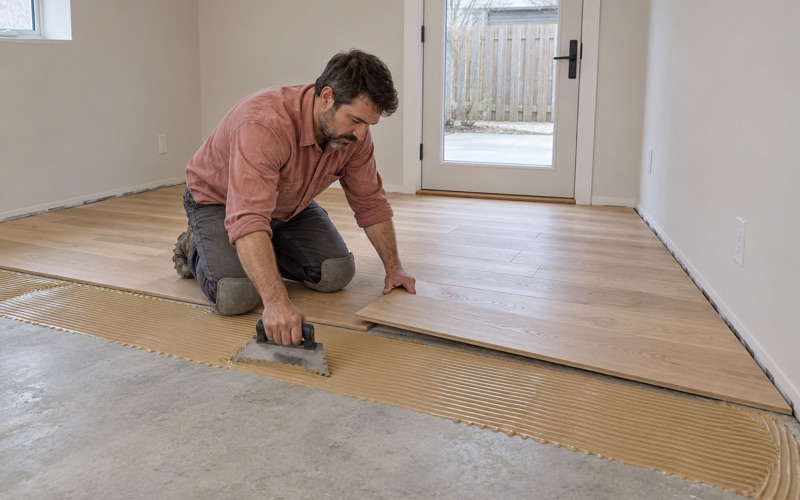
Worker spreading adhesive with a notched trowel on a concrete lower level beside new engineered hardwood planks.

Engineered Hardwood Flooring

Engineered wood floors for basements, slabs, condos and wide plank looks in Severn, MD, compared by wear layer and installed to suit the subfloor.

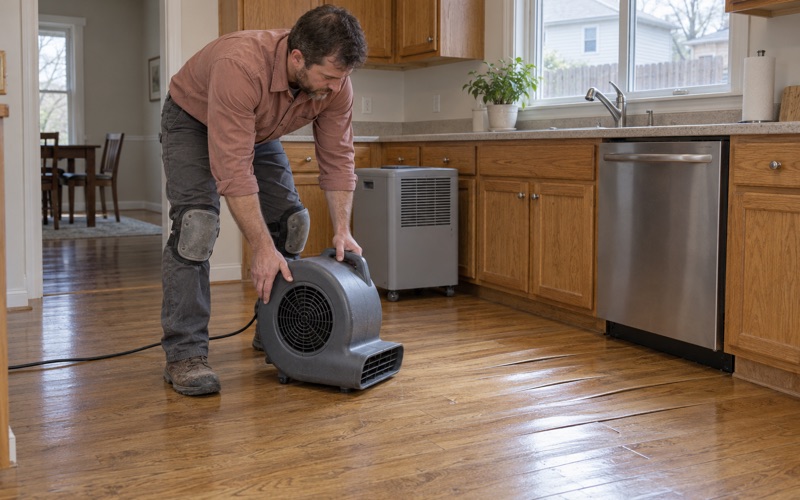
Worker aiming an air mover at cupped hardwood boards beside a dishwasher in a Severn kitchen.

Hardwood Floor Water Damage

Cupped, buckled or stained hardwood after a leak, a burst pipe or a failed sump pump, dried, documented and repaired in Severn, MD.

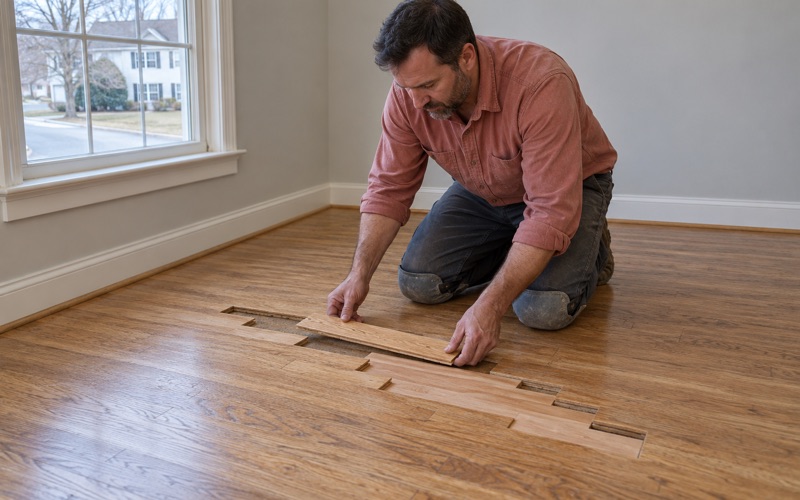
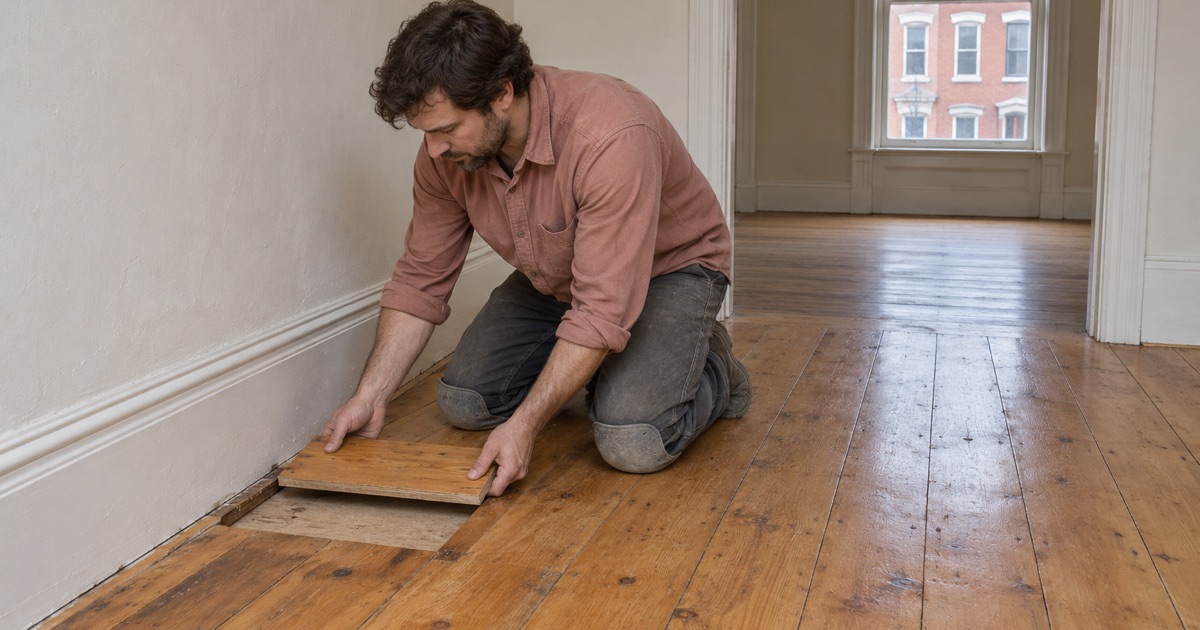
Worker tapping a new oak board into a staggered repair where pet-stained boards were cut out in a Severn bedroom.

Hardwood Floor Repair

Squeaky, loose, stained, gapped or insect-damaged hardwood repaired board by board in Severn, MD, and blended so the fix does not show.

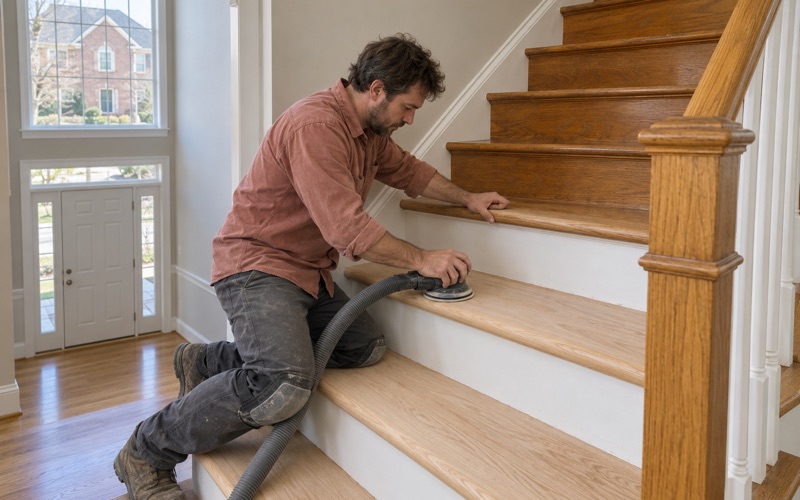
Worker sanding a red oak stair tread with a random orbital sander in the foyer of a Severn house.

Hardwood Stair Refinishing

Worn wood stairs sanded and refinished by hand, and carpeted stairs turned into hardwood treads and risers, quoted per step in Severn, MD.

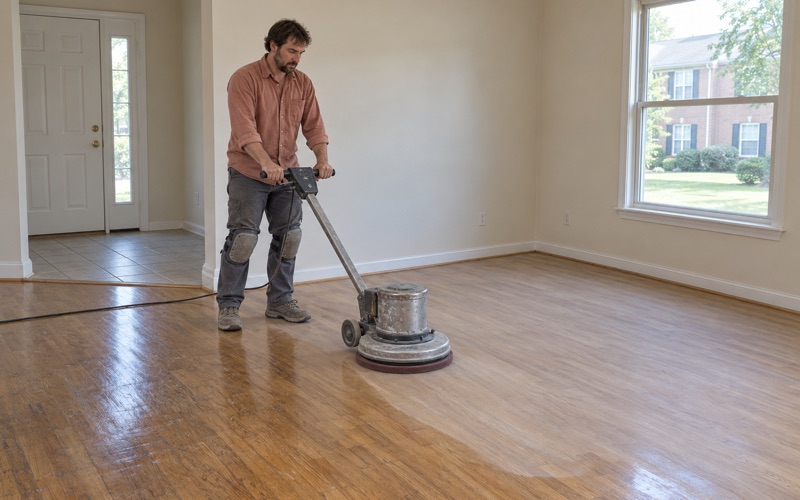
Worker running a floor buffer with a screening pad over a finished oak floor in a Severn townhouse living room.

Screen And Recoat Hardwood Floors

A light abrasion and a fresh coat of finish that brings back dull, scuffed hardwood in a day or two, without sanding to bare wood.

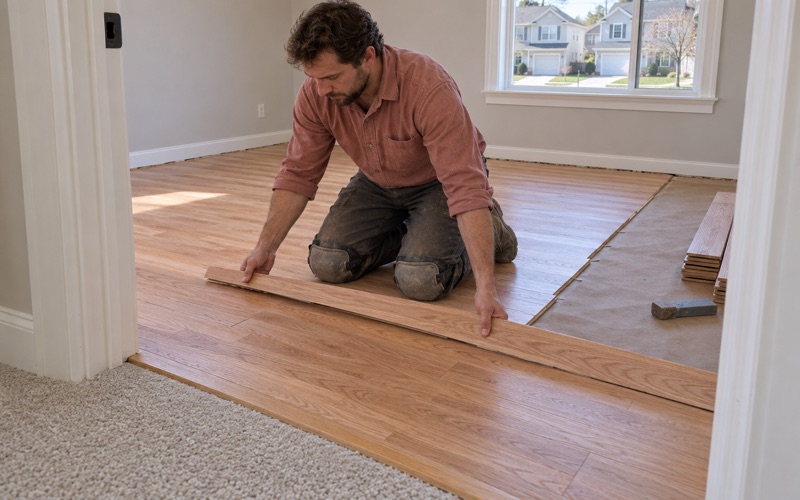
Worker lowering a new oak board into place in a Severn bedroom where the carpet has been taken up.

Replace Carpet With Hardwood

Carpeted bedrooms, living rooms and stairs converted to solid or engineered hardwood, tied into existing floors, in Severn, MD.

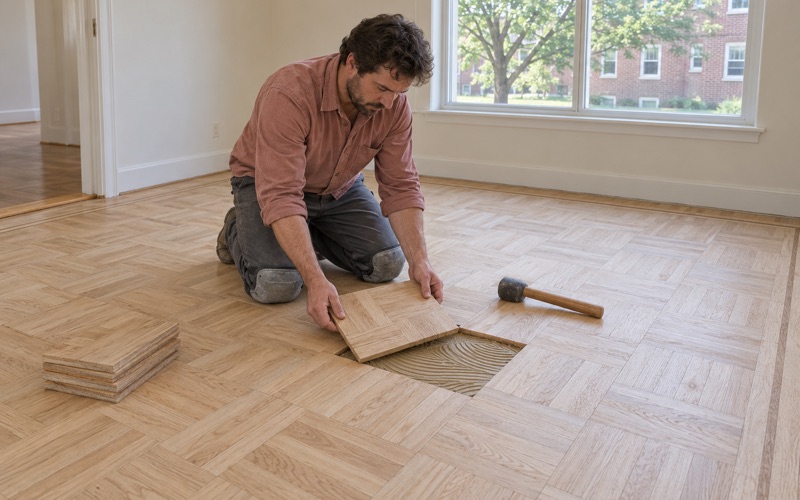
Worker setting a replacement oak parquet block into a sanded parquet floor before refinishing.

Parquet Floor Refinishing

Older parquet floors re-glued, sanded and refinished, or lifted when the adhesive underneath has failed, in Severn, MD.

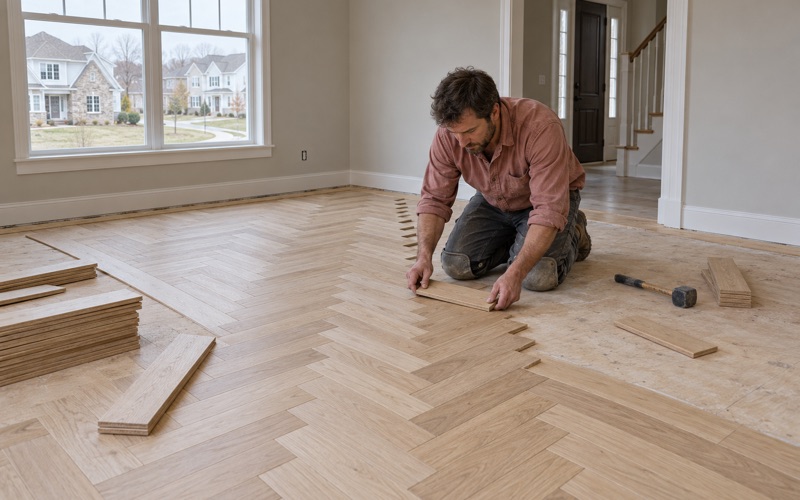
Worker aligning a white oak herringbone plank to the layout line in a new Severn dining room floor.

Herringbone Wood Floor

Herringbone, chevron and wide plank wood floors planned, laid and finished for Severn, MD homes, in solid or engineered white oak.

Two Decades Of Hardwood Floor Work

Worker guiding a multi-disc floor sander across red oak flooring on the main level of a Severn townhouse.

20+ Years Sanding, Repairing And Installing Wood Floors

Our crew has worked on wood floors for more than twenty years, long enough to have sanded the same species through several finish trends and fixed the shortcuts other crews left behind. That experience shows up in small decisions: when to stop sanding a thin floor, when a stain will blotch on maple, and when a floor should be replaced rather than refinished one more time.

Why Choose Severn Wood Flooring

Lead Checked Before Sanding

Every floor in a house built before 1978 gets its build year and painted trim checked before a drum sander touches it, because the EPA RRP Rule and Maryland lead law reach older Anne Arundel housing, so lead dust is never spread through the rooms rather than discovered after a careless crew has already sanded through painted shoe molding.

Moisture Read Before Wood Goes Down

No board goes down over a slab or a finished basement until a moisture meter has read the concrete and the grade, so an engineered floor in a Severn basement does not cup in its first humid summer, rather than being nailed or glued over damp concrete the way a rushed install crew would do it.

Association Rules Read First

Townhouse floors are planned from the homeowners association’s own documents, read before the estimate is written, because nearly a third of Severn homes are one-unit attached, so a new floor or underlayment choice clears the association rather than being guessed at and torn out after a neighbor complains about footfall noise.

Hardwood Sanding Dust Contained

Doors and air returns in the work area are sealed and the floor is cleaned with a HEPA vacuum between each pass of the grit sequence, so a family can keep living in the rest of the house, rather than finding fine oak dust in the bedrooms, the ductwork and the kitchen cabinets for weeks afterward.

Invoices A Landlord Can Use

Each estimate and invoice is itemized line by line and separates ordinary wear from damage, so a landlord withholding part of a deposit has the supporting documentation Maryland’s Real Property 8-203 asks for, rather than a one-line bill that explains nothing to a tenant or a judge.

Floor Finishes Within Maryland VOC Limits

Finish choices from waterborne polyurethane to oil-modified polyurethane and hardwax oil are matched to the wood coating limits in COMAR 26.11.39, so the product on your floor is legal to apply here and its drying and fume time is planned around your household, rather than a can bought for another state’s rules.

When Something Has Gone Wrong With The Floor

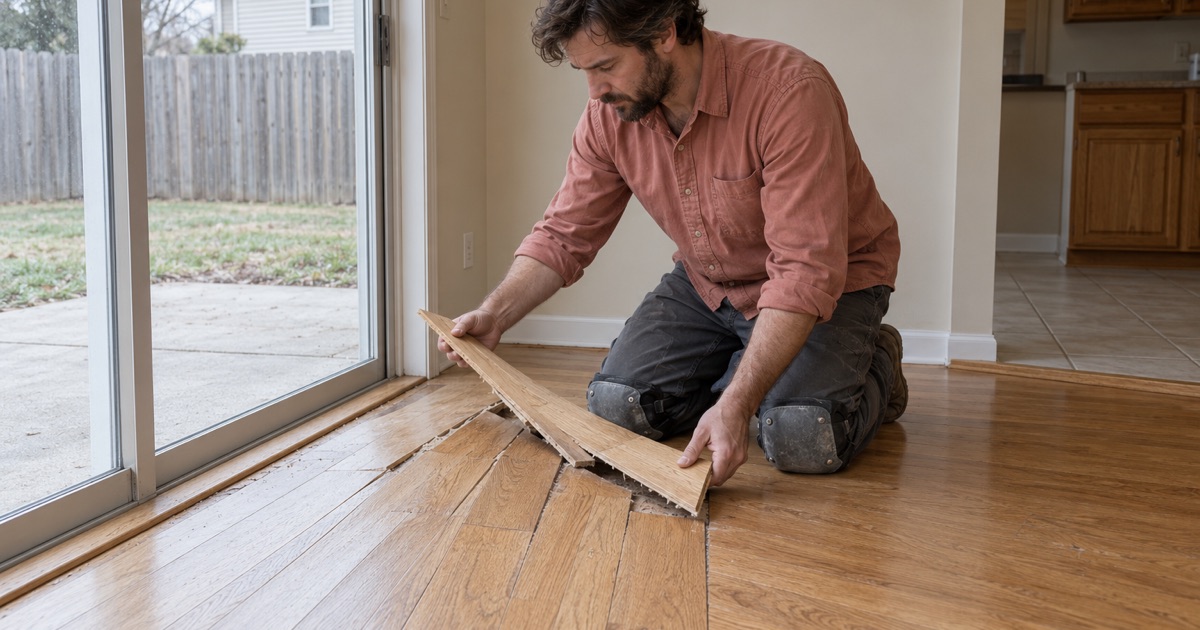
Worker lifting buckled oak boards that tented up beside a leaking sliding door in a Severn house.

Cupping And Buckling In Hardwood After A Leak

Cupping is boards rising at their edges after they take on water from below, and buckling is the floor lifting off the subfloor entirely. We find and stop the water source first, dry the floor while reading it with a moisture meter, and only then decide whether the boards can be flattened and sanded or have to be replaced. Sanding a cupped floor too early leaves it crowned once it finally dries.

Seasonal Cupping And Winter Gaps In Oak Floors

Wood swells in a humid summer and shrinks when the furnace runs, so many floors cup slightly in August and open winter gaps between boards in January. Some of that board gapping is normal movement and needs no repair at all. We tell you which part is seasonal, which part points to a basement or crawlspace moisture problem, and how a dehumidifier or humidifier evens out the swing.

Wood Floors After A Sump Pump Failure Or Burst Pipe

A failed sump pump floods a finished basement from below, and a burst pipe soaks a floor from the room above. We document the damage room by room with moisture readings and photos for the adjuster, dry what can be saved and replace what cannot. The Maryland Insurance Administration notes that a sudden burst pipe is generally covered while a slow leak generally is not, so the record of when the water arrived matters.

Squeaky Floorboards, Nail Pops And Loose Face Nails

Squeaky floorboards usually come from boards rubbing on loose fasteners or a subfloor that has pulled away from a joist. We find the movement, refasten from above or below, and set and fill any face nails working up through the finish. A nail pop standing proud of the surface catches socks and eventually lifts the board beside it.

Pet Urine Stains That Reached The Subfloor

Urine that sits in oak turns the wood black, and once it has soaked through the board it often stains the subfloor and holds its odor. Sanding cannot lift a black stain that deep, so we cut out the affected boards, seal or replace the subfloor underneath, and weave in new boards before refinishing. Gray surface marks sometimes sand out; black ones rarely do.

Powderpost Beetle Holes And Frass In Floorboards

Small round exit holes with fine, flour-like powder called frass beneath them are the sign of wood-boring insects such as the powderpost beetle. We help confirm whether the activity is old or current, send you to a pest professional when it is live, and replace the damaged boards once treatment is done. Patching over active damage only moves the problem to the next board.

Termite Damage Found Under The Floor

Termite damage often shows as boards that feel soft, sink underfoot or break when lifted, with hollowed grain or mud tubes underneath. We open the floor, check the boards, subfloor and joists, and schedule our repair behind the termite treatment rather than ahead of it. Once the structure is sound, we replace and blend the damaged area so it does not read as a patch.

Peeling Polyurethane Over An Old Waxed Floor

Polyurethane will not bond to wax residue, so a fresh coat applied over a floor that was once waxed can peel in sheets within weeks. We test for wax before any recoat and, where it is present, sand the floor to bare wood so the new finish has clean fibers to grip. A quick recoat over wax is one of the most common failed jobs we are asked to fix.

Orange Oak And Ambered Oil-Based Finishes

Red oak under an oil-modified polyurethane ambers with age, which is why so many floors from the 1990s and 2000s now look like orange oak. We sand back to bare wood and choose a new color and finish from samples, often a waterborne polyurethane that stays clearer over time. Toning down orange without a full sanding is rarely possible, and we will not pretend otherwise.

Bringing Back The Floor You Already Have

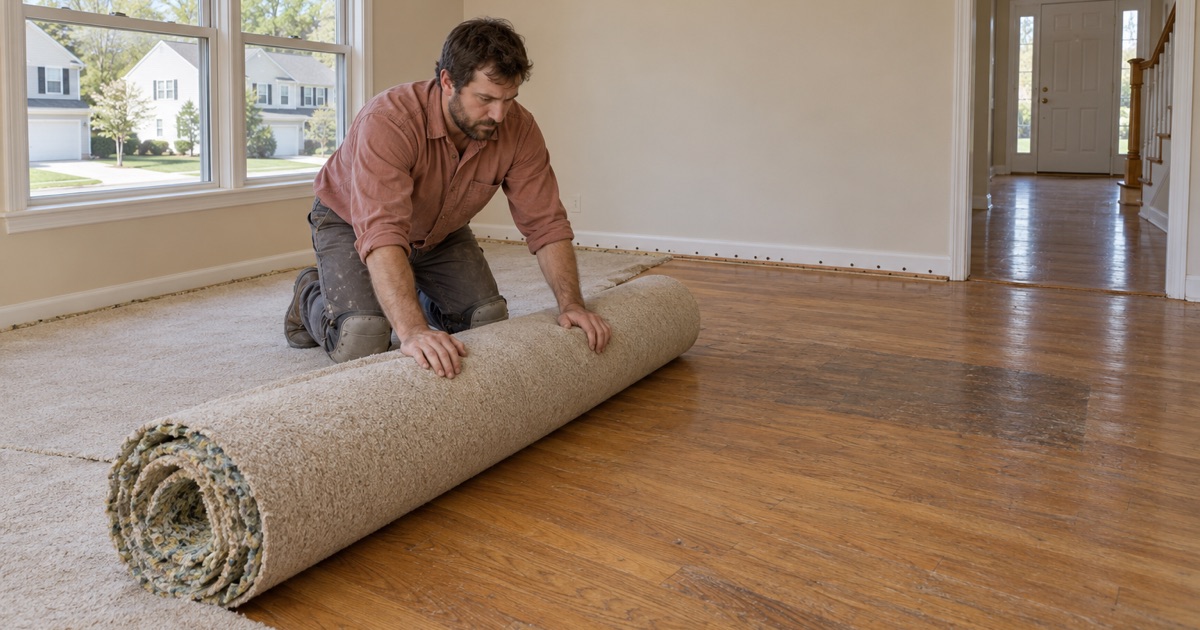
Worker rolling up old wall-to-wall carpet and pad to uncover oak flooring in a Severn living room.

Full Hardwood Sanding Or A Screen And Recoat

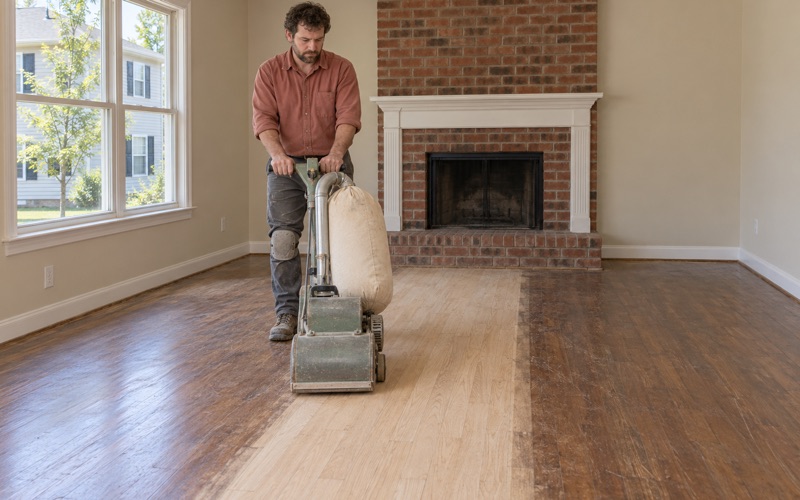
A screen and recoat lightly abrades the existing finish and adds a fresh coat, while a full sanding takes the floor to bare wood with a drum sander and an orbital sander. If the wear is only in the finish, a recoat costs far less and creates far less dust. If scratches, gray traffic lanes or stains have reached the wood itself, only a full sanding fixes them, and we tell you which one your floor needs.

Oak Floors Found Under Wall-To-Wall Carpet

Pulling up carpet often uncovers oak strip flooring ringed with tack strip, scattered staples from the carpet pad and paint drips along the walls. We remove the tack strip and staples, fill the holes and sand the floor flat and even. Many of these floors were covered when the house was new and come back far better than owners expect.

Weave-In Repairs Where Registers And Walls Came Out

Removing a wall, moving a floor register or closing a stair opening leaves a hole or a strip of bare subfloor in the middle of a room. We fill it with boards woven into the existing floor and staggered like the original rows, rather than a square patch. Sanded and finished together with the rest of the room, a weave-in repair disappears into the floor.

Worn-Thin Hardwood With One Sanding Left

Solid hardwood can be sanded several times, but every sanding removes wood above the tongue, and older floors eventually run thin. We pull a register or check a threshold to see how much wood remains before we quote, then use a gentler grit sequence when the margin is small. Where nail heads or tongues already show, we tell you plainly that another sanding is not safe.

Parquet Refinishing And The Black Mastic Underneath

Older parquet was often set in black mastic, an adhesive that can contain asbestos. Loose tiles can be reset and the floor refinished with an orbital sander that respects the alternating grain, but when the mastic itself has failed, sanding it is never an option. We identify the adhesive before work begins and leave lifting a suspect mastic to an abatement trade.

Stair Refinishing, Tread By Tread

Stairs take more wear than any floor in the house and cannot be sanded with floor machines, so each stair tread, stair riser and stair nosing is worked by hand and with detail sanders. We quote stairs tread by tread rather than by the square foot, since a staircase with open spindles or a landing takes very different time than a closed run. Stained treads with painted risers are a common finish we can match.

Stain And Sheen Samples On Your Own Wood

A stain color on a showroom board rarely looks the same on your red oak, maple or white oak in your own daylight. We lay sample patches on your sanded floor, in more than one room if the light changes, and let you choose the sheen level as well as the color. Choosing on the actual wood removes most surprises after the final coat.

Dust, Fumes And Staying Home During Refinishing

Many families stay in the house during a refinish, so we seal the work area, run a HEPA vacuum between grits and plan the finish coats around your schedule. Waterborne polyurethane has a lighter odor and shorter dry time than oil-modified polyurethane, which matters with children, pets or someone working from home. You get a written timeline for socks, furniture and rugs.

Putting In New Wood Floors

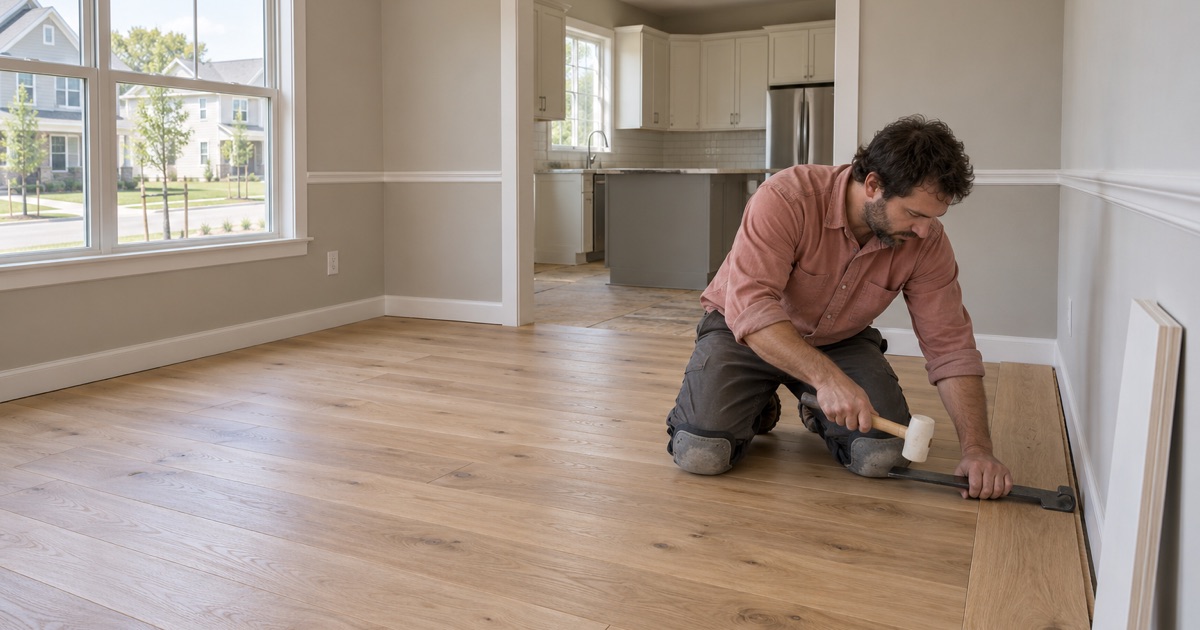
Worker closing the last joint on new wide white oak planks against a wall with a pull bar in a Severn home.

Solid, Engineered And Vinyl Plank Flooring Compared

Solid hardwood can be sanded many times over its life; engineered flooring has a real wood wear layer over a stable core and handles humidity swings better; vinyl plank is not wood and tolerates water but cannot be refinished. We explain where each one makes sense in your house rather than steering every room to one product. A kitchen, a basement and a bedroom can each want a different answer.

Engineered Hardwood Over A Concrete Basement Floor

Below-grade installation puts wood on a slab that can carry moisture up from the ground, which is why solid hardwood is a poor choice for a finished basement. We test the concrete with a moisture meter, choose an engineered floor and underlayment suited to below grade, and allow for acclimation before installing. Where a basement floods or the sump pump struggles, we will say plainly that wood is the wrong floor there.

Replacing Carpet With Hardwood Flooring

Replacing carpet with hardwood means removing the carpet, carpet pad and tack strip, checking the subfloor for squeaks and flatness, and installing tongue and groove boards that meet the doorways and thresholds cleanly. We can do one bedroom or a whole level and tie new boards into existing hardwood in the hall where the two meet. Transition heights at stairs and doors are settled before the first board goes down.

Carpeted Stairs Converted To Hardwood Treads And Risers

Carpet on stairs usually hides rough construction-grade treads that were never meant to be seen. We remove the carpet, cut back the old nosing, and install new hardwood stair treads and risers finished to match the floor at the top and bottom. The result looks original to the house rather than like a cover laid over the old stairs.

Prefinished Versus Site-Finished Hardwood

Prefinished flooring arrives with a factory finish and can be walked on as soon as it is installed, while site-finished flooring is sanded and coated in place, which seals the seams and allows any custom stain. We suggest prefinished for speed and site-finished where you want the floor to match existing wood or a specific color. Both are sound choices when the subfloor is right.

Herringbone And Chevron Wood Floor Patterns

Herringbone sets rectangular boards in a staggered zigzag, while chevron cuts the board ends at an angle so they meet in a clean point. Both are laid out from a center line so the pattern reads straight from the main doorway, and both take longer than a straight lay. We help you choose board width, species and finish so the pattern suits the size of the room.

Wide Plank White Oak Flooring

Wide plank white oak shows more of each board’s grain, but wider boards move more with seasonal humidity. We favor engineered wide plank or carefully acclimated solid boards, fastened with flooring cleats and adhesive where the subfloor allows, so the floor does not open up badly in winter. A hardwax oil finish suits the matte, natural look many people want from wide plank.

Matching New Wood To An Existing Floor

After an addition, a kitchen remodel or a wall removal, new wood has to meet an old floor that has aged and been sanded before. We match the species, board width and direction, weave the new boards into the old ones, and sand and finish the whole area together so the color reads as one floor. A visible line where the old wall stood is the sign of a job done in halves.

Replacing Builder-Grade Hardwood

A large share of Severn homes went up from the 1990s through the 2010s, many with builder-grade hardwood: thin prefinished boards, short lengths and a finish that wears through in traffic lanes. When that floor is worn past refinishing or simply not what you want, we remove it, check and refasten the subfloor, and install a better solid or engineered floor in its place.

Townhouses, Rowhouses And Rentals

Worker fitting a wide pine plank patch into an old Baltimore rowhouse floor where a wiring hole was cut.

Townhouse Flooring And What The HOA Reviews

Association documents differ: some address flooring, underlayment or work hours, and others say nothing about floors at all. We read your association’s own documents before quoting rather than assuming, and plan work hours, dumpster placement and deliveries around shared walls and shared parking. Townhouses make up a large part of the local housing, so this step comes up on many of our jobs.

Condo Floors, Sound-Reducing Underlayment And Noise

Hard floors carry footfall noise to the unit below, which is why many condominium associations care about what goes under a new floor. We use sound-reducing underlayment matched to the floor and the building and check your association’s requirements before ordering. We do not quote sound ratings we have not seen in your building’s own documents.

Water Damage From The Condo Unit Above

When water from an upstairs unit ruins a hardwood floor, Maryland’s Condominium Act generally makes the owner of the unit where the damage started responsible for the association’s insurance deductible, up to $10,000. We document the damage, the moisture readings and the repair cost in a form the adjuster, the association and the upstairs owner can all follow. Who pays is settled among them; our part is a clear record and a sound floor.

Baltimore Rowhouse Floors And Wide Pine Planks

Baltimore rowhouses often hide wide pine planks under later layers, along with old patches, termite trails from decades past and holes left by wiring runs. We repair with matched or salvaged boards, fill carefully, and sand pine more gently than oak because it is softer. The aim is a floor that keeps its age and character rather than one sanded flat and featureless.

Turning A Rented Townhouse Floor Around Between Tenants

More than a third of occupied townhouses in Severn are rented, and the floor is often the first thing a new tenant notices. We fit a screen and recoat or a full refinish into the gap between leases, with a firm finish date so the next move-in is not delayed. The invoice records what was ordinary wear and what was damage, so the file is ready if a deposit question comes up.

Pre-1978 Rentals And Maryland’s Lead Dust Test

Maryland’s lead law covers rental units built before 1978, and a lead dust test is required at each change in occupancy. Sanding or scraping in those homes is planned with lead-safe methods under the EPA RRP Rule and timed so the floor work is finished and cleaned before the test. Doing it in the other order can mean a failed test and a delayed tenant.

Scratches, Pet Damage And The Security Deposit

Maryland’s security deposit law, Real Property 8-203, calls for supporting documentation identifying the materials or services provided when a landlord withholds money for damage. Our itemized invoice separates ordinary wear, such as light dulling in traffic lanes, from damage such as deep gouges or pet urine stains, priced line by line. That gives the landlord a record and the tenant a clear reason for each charge.

A Lease Ended Early On Military Orders

Maryland law and the Servicemembers Civil Relief Act let service members end a lease early on qualifying military orders, but the federal act still allows a landlord to charge for excess wear. With Fort George G. Meade along Severn’s western edge, we document which marks are ordinary wear and which are excess wear before any floor work begins. A dated, itemized record protects both sides of the lease.

Refinishing Hardwood Floors Before You List The House

Freshly refinished floors photograph well and remove one of the first objections buyers raise at a showing. We schedule a refinish or a screen and recoat around listing photos and the moving truck, and suggest neutral stain and sheen choices that suit most buyers. We will not promise a return on the sale price; what we promise is a finished floor on the agreed date.

Areas We Serve

Severn Wood Flooring provides wood-flooring throughout the greater Severn area, with the same crews and the same standards on every job.

Good to know

Frequently Asked Questions

How is the price of a hardwood floor refinishing job worked out?

We measure the square footage, then look at the species, the current finish, any wax residue, the depth of scratches and stains, and how many rooms and thresholds are involved. Stairs are priced tread by tread on top of that. You get a written, itemized estimate before any work is booked, so you can see exactly what each part of the job costs.

How long does a full sand and refinish take, and when can we walk on the floor?

A typical full refinish of a few connected rooms runs over several days: sanding through the grit sequence, staining if you want color, and then two or more coats of finish with drying time between them. Waterborne polyurethane usually allows sock traffic sooner than oil-modified polyurethane. We give you a written schedule for light foot traffic, furniture and rugs before we start.

Can engineered hardwood be sanded and refinished?

Often, yes, but it depends on the thickness of the engineered wear layer. A thick wear layer can take a full sanding, while a thin one can usually take only a screen and recoat. We check the wear layer at a register or an edge before recommending anything, because sanding through it exposes the core and cannot be repaired.

Does a wood flooring contractor in Maryland need a license?

The Maryland Home Improvement Commission states that installing tile, wood or other flooring requires a home improvement contractor license, while carpet installation alone does not fall within the definition. Before you sign with any flooring contractor, ask for the license number and check it with the Commission yourself.

Should we choose a water-based or an oil-based polyurethane?

Waterborne polyurethane dries clear, has less odor and dries faster, which suits families staying in the house and anyone avoiding the amber look. Oil-modified polyurethane warms the wood toward amber and is slower to cure. Both have to meet Maryland's wood coating limits under COMAR 26.11.39, and we help you weigh look, durability and drying time for your rooms.

Can wood flooring go in a basement that is in a flood zone?

FEMA Technical Bulletin 2 treats wood floor coverings as unacceptable below the base flood elevation, so in a regulated flood area a basement floor below that line should not be wood. Outside a flood zone, engineered flooring can work in a dry finished basement once moisture readings on the slab support it. We check both before recommending a product.

Will you remove old vinyl tile or black mastic before putting down hardwood?

No, not ourselves. Older resilient floor tile and black mastic adhesive can contain asbestos and must never be sanded, scraped dry or ground up. We identify it before work starts, point you to testing and the right abatement trade, and schedule the wood floor once that layer has been dealt with properly.

Can you match the stain on a new section to the floor we already have?

Usually, by sanding the existing floor and the new boards together and finishing them as one, with stain samples laid on both first. Matching only the new boards to an old, aged finish is far less reliable, because the old color comes from years of light and wear rather than the stain alone. We explain which approach your floor allows.

What should we do on the first day water reaches a hardwood floor?

Stop the source, remove standing water, pull up rugs and furniture, and get air moving and a dehumidifier running. Take dated photos before anything is cleaned up, then call your insurer and us. Do not sand or refinish a wet floor; we read it with a moisture meter over the following days to see what will flatten and what has to be replaced.

Do we need to move furniture before the crew arrives?

Clearing small items, rugs, lamps and anything fragile from the rooms helps the day start on time. We can move heavier furniture as part of the job if it is listed on the estimate. Plan where the furniture will sit during the work, since the floor stays clear until the finish has cured enough to carry it.

Ready to Get Started?

Request a free quote today and we'll get back to you fast.